The Potato Cruise: What I Learned Cruising with Food Allergies
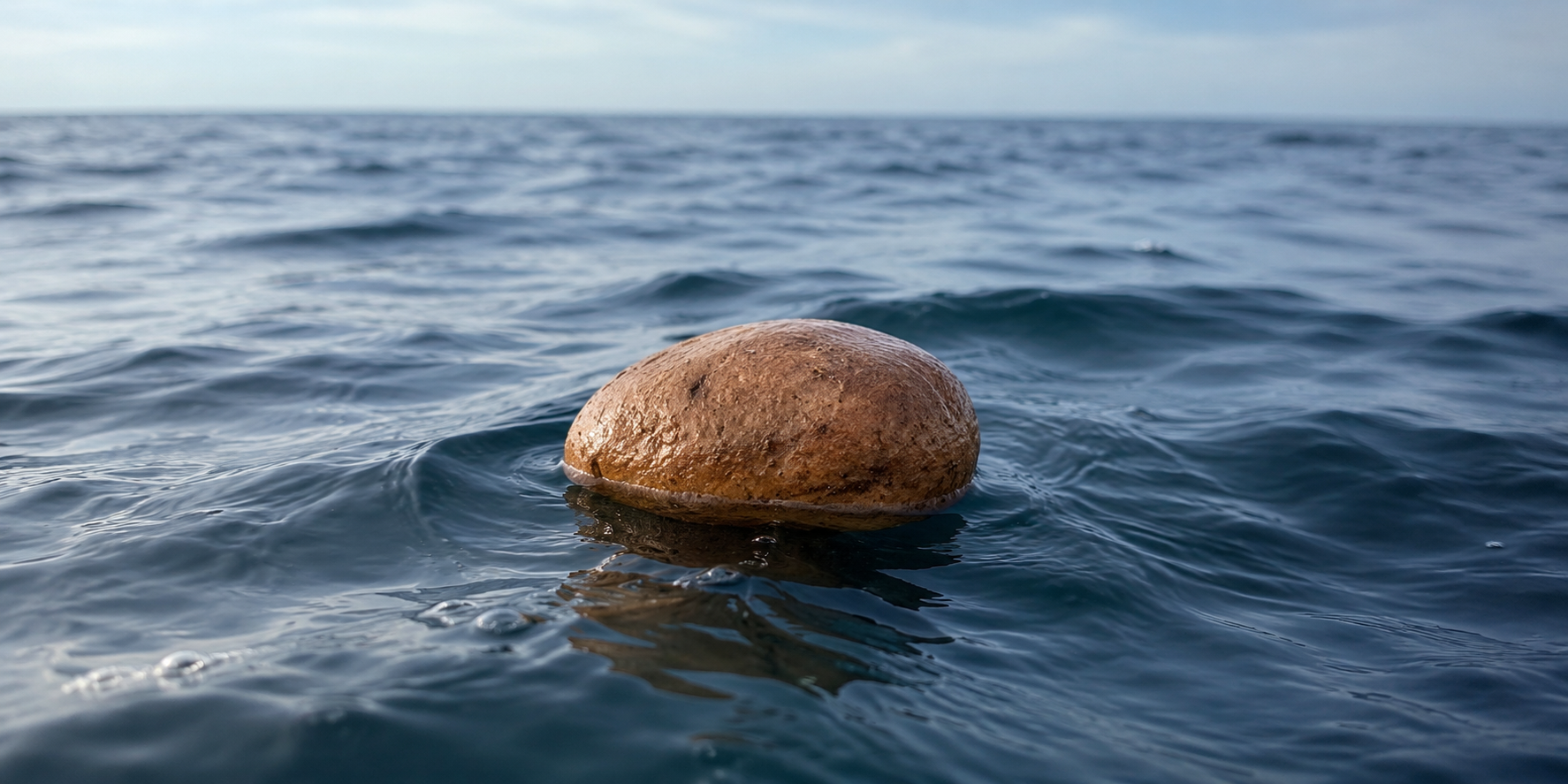
I have always loved to travel, but I didn’t always have food allergies.
I was diagnosed with eosinophilic esophagitis in my early 30s. Through a months-long elimination diet, I learned that my triggers were gluten, dairy, tree nuts, and peanuts.
About 4 years ago, shortly after discovering these new food allergies, I went on a Caribbean cruise with my wife’s family. I won’t name the cruise line since I share some of the blame — I didn't yet know what I know now.
In the months leading up to the cruise, I learned a lot about dining out with food allergies: what ingredients to look for, how to carefully read menus, what to tell and ask servers, and how to check Google reviews for recommendations from fellow food-allergy travelers. It was still a steep learning curve, but I didn’t think that cruising would be much different.
I was wrong.
Before getting on the cruise ship, I, perhaps naively, thought: this is a huge cruise line that serves hundreds of thousands of passengers each year. Surely, they are used to people traveling with food allergies and know how to accommodate them.
Then the potatoes happened.
For our first dinner on the ship, I looked at the menu, told our server about my allergies, and asked what item(s) could be made gluten-free, dairy-free, and nut-free? A look of panic crossed the server's face. He told me that he needed to check with the chef and ran to the kitchen.
When he came back, he told me that they could do one of the meat dishes with a side of a baked potato. I asked if there were any vegetables they could provide, and they told me that all the vegetables were cooked with butter — not ideal for a dairy allergy.
The dish was served. I got the meat. And I got a baked potato. Now, you might be picturing a loaded baked potato with cheese, sour cream, bacon bits, and chives. That would also be quite dairy-heavy. What I got was a baked potato. Period. No seasoning, no oil, just a plain cooked potato.
This wasn’t ideal, I thought, but maybe now that they know, they can prepare better next time.
I was wrong, again.
The next morning, I went to the top deck for the breakfast buffet. Breakfast can also be a challenge with my allergies, but surely, I could get some eggs, bacon or sausage, and some fruit, right? That would have been too easy.
I went up to the station where they were making eggs and omelets your way. I noticed they were cooking the eggs on pans with dollops of butter. I asked them if they could cook some eggs in a pan with oil. They looked confused. I pointed at the bucket of butter and told them I couldn’t eat it because of an allergy. But I can have any oil.
One of the servers ran to the back. A few minutes later, they emerged with a spray can . . . of butter. That, of course, wouldn’t do. So I grabbed some bacon, a couple of hard-boiled eggs, and some fruit and went about my day.
That night at dinner, I expected to have a slightly better experience. But alas, it was meat and unseasoned potato (singular) again.
Eventually, at one of our port stops, we went to a grocery store and bought vegan butter so my potatoes could at least have some seasoning.
After a few more frustrating nights of meat and potatoes and mornings of hard-boiled eggs, we decided to go talk to the Food and Beverage Manager on board the ship. We told them that my food allergies were new and this was my first cruise since being diagnosed.
They expressed their sympathy but told me I should have contacted them 90 days in advance so they could have prepared better. They also informed me that I needed to go to the kitchen every morning to select my meal for that evening. I can see how a 90-day notice might have helped with dinner, but I am not sure it would have made the breakfast experience any better, given that they couldn’t seem to find non-dairy oil until after we spoke with the Food and Beverage Manager.
The dinners did improve somewhat afterward. I still got my potato, but they also served steamed vegetables (exciting!). One night, they even prepared escargot in oil and garlic, which was admittedly very good. And as I mentioned above, they also finally had oil spray at the breakfast station, which meant I could have eggs prepared my way.
The potato saga followed me home. That Christmas, both of my brothers-in-law gave me a bag of potatoes. I'd like to say I've since developed a complicated relationship with the potato. I have not. I still love them. Just, ideally, seasoned.
Since this pretty terrible cruise dining experience, I’ve since learned that 90-day advanced notice for food allergies is typical on many cruise ships. And you need to be ready to order your meal a day ahead of time so they can prepare.
But still, some cruise lines are better than others (Disney, for example), and we have done the research and lived the experience to make sure you know what to do before cruising with food allergies.
Here's the thing: none of what went wrong on that cruise had to happen. The 90-day notice, wondering where to eat at the buffet, and knowing which lines actually handle allergies well versus which ones hand you a plain potato — that's exactly the kind of legwork we now do for our clients before they ever step on board.
I learned it the hard way, so you don't have to.
If you have food allergies and you've been putting off a cruise because you're not sure you'll be able to eat, let's change that. We'll handle the advance notice, the menu coordination, and matching you with a line that takes your allergies seriously. That means your biggest decision on board is which excursion to book, not whether dinner is safe.
Reach out today, and let's plan a cruise where you actually get to enjoy every meal.