
Allergy-Friendly Travel
Travel Without the Food Anxiety
Itineraries built around your dietary restrictions — planned by people who live with them.
Why It's Harder Abroad Than It Is at Home
At home, you have a system. You know your safe restaurants, you can read every label in the grocery store, and you can ask a server a follow-up question and understand the answer.
Travel takes all of that away at once. You lose your safe list, you lose the language, and you lose the ability to verify anything for yourself. Every meal becomes a decision made with incomplete information — three times a day, for two weeks.
Most people respond by shrinking the trip. They eat at the hotel. They skip the food tour. They pack protein bars and treat dinner as a risk to be managed rather than one of the best parts of being somewhere new.
It doesn't have to work that way.
How We Build an Allergy-Safe Itinerary
Helping you create translation cards written for the local food culture and the local language — not a generic template that gets a blank stare
Custom Google Maps with allergy-friendly spots marked ahead of time
Restaurant vetting — we read reviews for what other allergy travelers actually say about how the kitchen handled it
Direct contact with restaurants and hotels in advance, in writing, so the conversation is already had before you sit down
Airline meal requests and airport planning, including the long travel days where there's nothing safe past security
Grocery and pharmacy locations mapped near where you're staying
Where This Matters Most
Some destinations require more work than others.
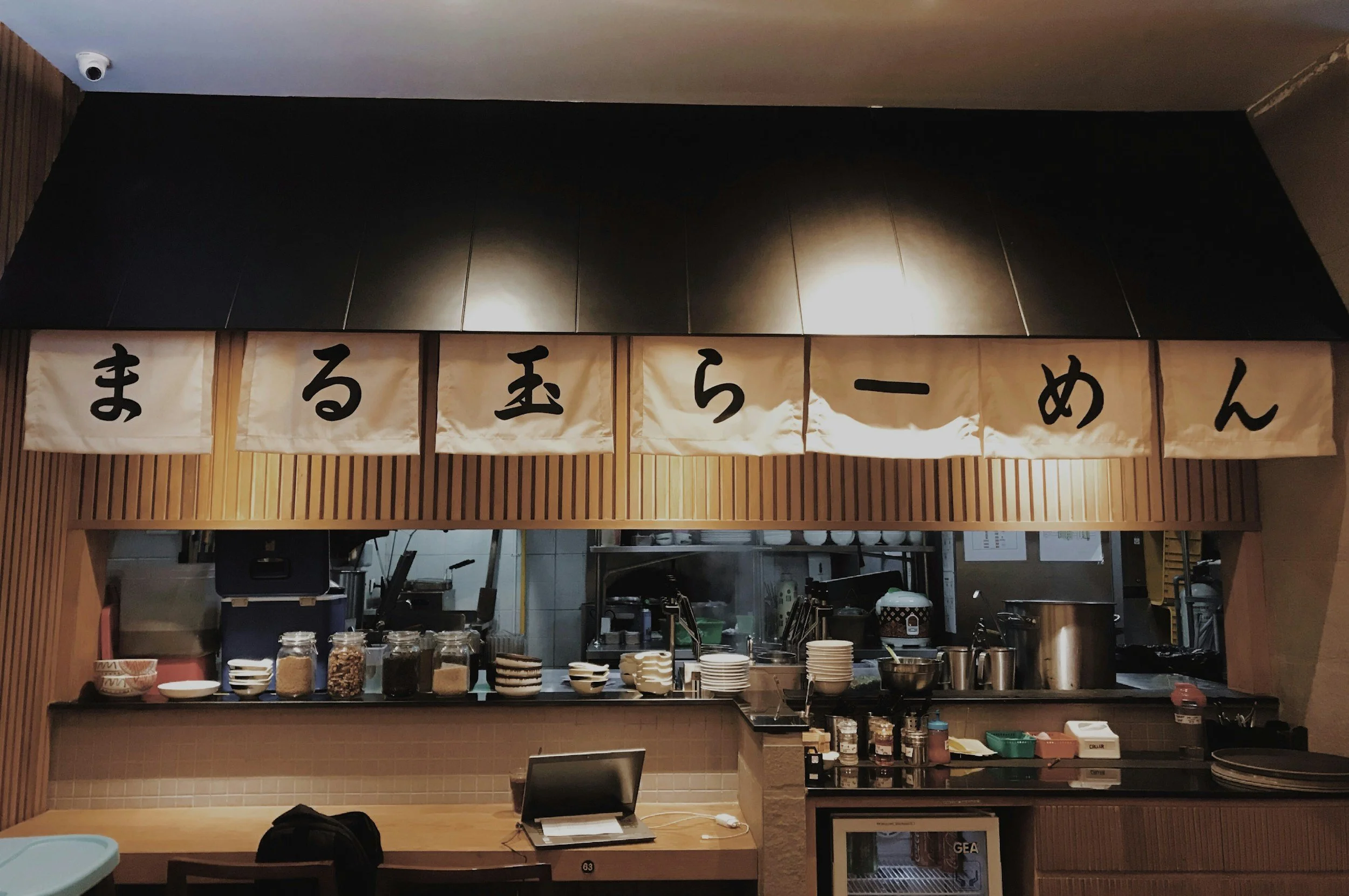
Italy and Spain are surprisingly manageable in some ways and surprisingly difficult in others. Japan and other East Asian countries reward preparation more than almost anywhere. Southeast Asia has its own patterns — some cuisines are naturally friendly to certain restrictions and hostile to others.
We'll tell you honestly which destinations will require more planning, which ones will be easier than you expect, and what the trade-offs look like before you commit to anything.
What We Are and Aren't
We're travel planners, not medical professionals. We build the plan, do the legwork, and make the calls so you don't have to.
Decisions about what is safe for you or your family stay between you and your doctor — and we build the itinerary around whatever those decisions are.

We've Done This Ourselves
Justin travels with multiple serious food restrictions, including gluten, dairy, tree nuts, and peanuts.
He has eaten well in Japan, Hong Kong, South Korea, and Taiwan — some of the harder places in the world to navigate if you're avoiding gluten, because it hides in places you'd never think to check. In Japan, even something as simple as seasoned rice can carry gluten, depending on how it was prepared.
That doesn’t mean you should avoid Japan with a gluten allergy. It just means having someone in your corner to help you plan properly before you get there.
We've worked out how to do this across Asia, Africa, Europe, and everywhere else we've traveled — not from a checklist someone else wrote, but from actually doing it, learning how to plan ahead, and building a better system each time.
FAQ
-
All of them. We have the deepest personal experience with gluten, dairy, tree nuts, and peanuts, but the process is the same regardless of the restriction — including celiac disease, shellfish, soy, egg, and multiple-allergy households.
-
Yes, with preparation. It's one of the destinations where working with someone who's done it before makes the largest difference.
-
Yes, where it's useful. For key meals and higher-risk situations, we reach out in advance so the kitchen knows before you arrive.
-
Cruising can be one of the easiest ways to travel with restrictions — if you're on the right line. Some handle it exceptionally well, and some don't.
-
That's most of our allergy clients. The goal is a trip everyone enjoys, not one that revolves entirely around one person's restrictions.