
WanderLux Wildlife Adventures
SEE IT YOURSELF
WITHOUT ROUGHING IT
Safaris, dive trips, national parks, and wilderness travel — designed by people who've actually been there.
Some Trips Are About Where You Go. These Are About What You See.
WanderLux Wildlife Adventures is for travel built around wildlife and wild places.
These are the trips people describe differently afterward. Not "we had a great time" but "I'll never forget it."
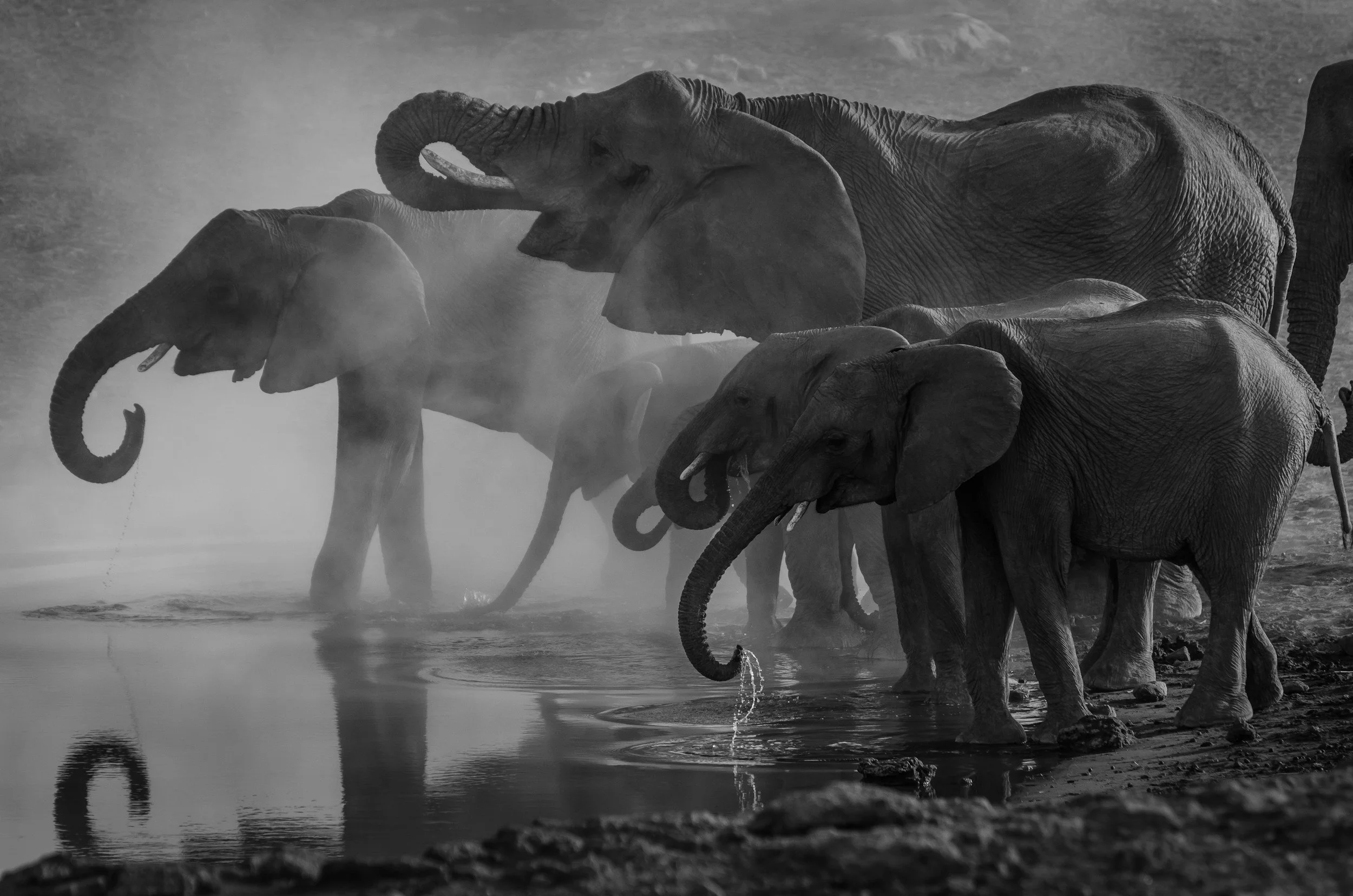
A leopard in a tree at dusk. A whale surfacing thirty feet from the boat. A reef at night, lit only by your torch.
They're also the hardest trips to plan well, and the easiest ones to get wrong.
What We Plan
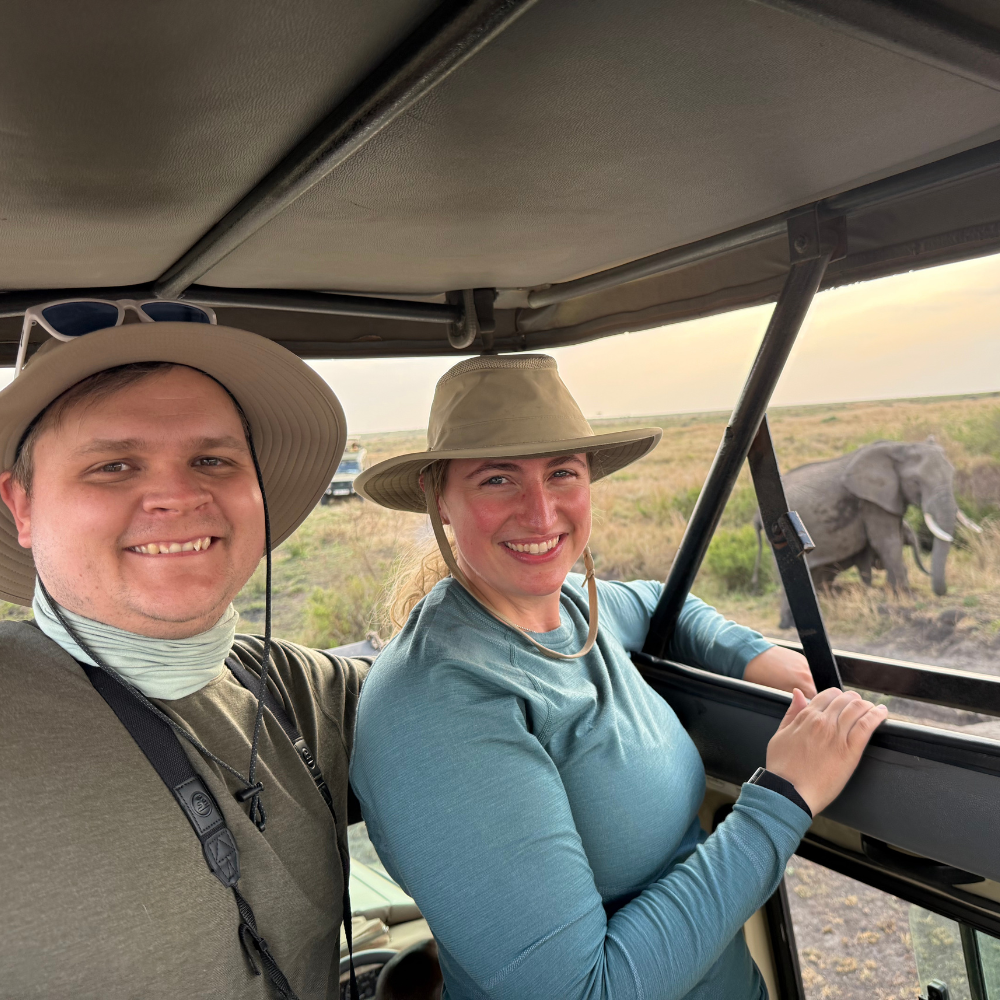
African safaris — East Africa and beyond. Migration timing, camp selection, park routing, and internal flights.
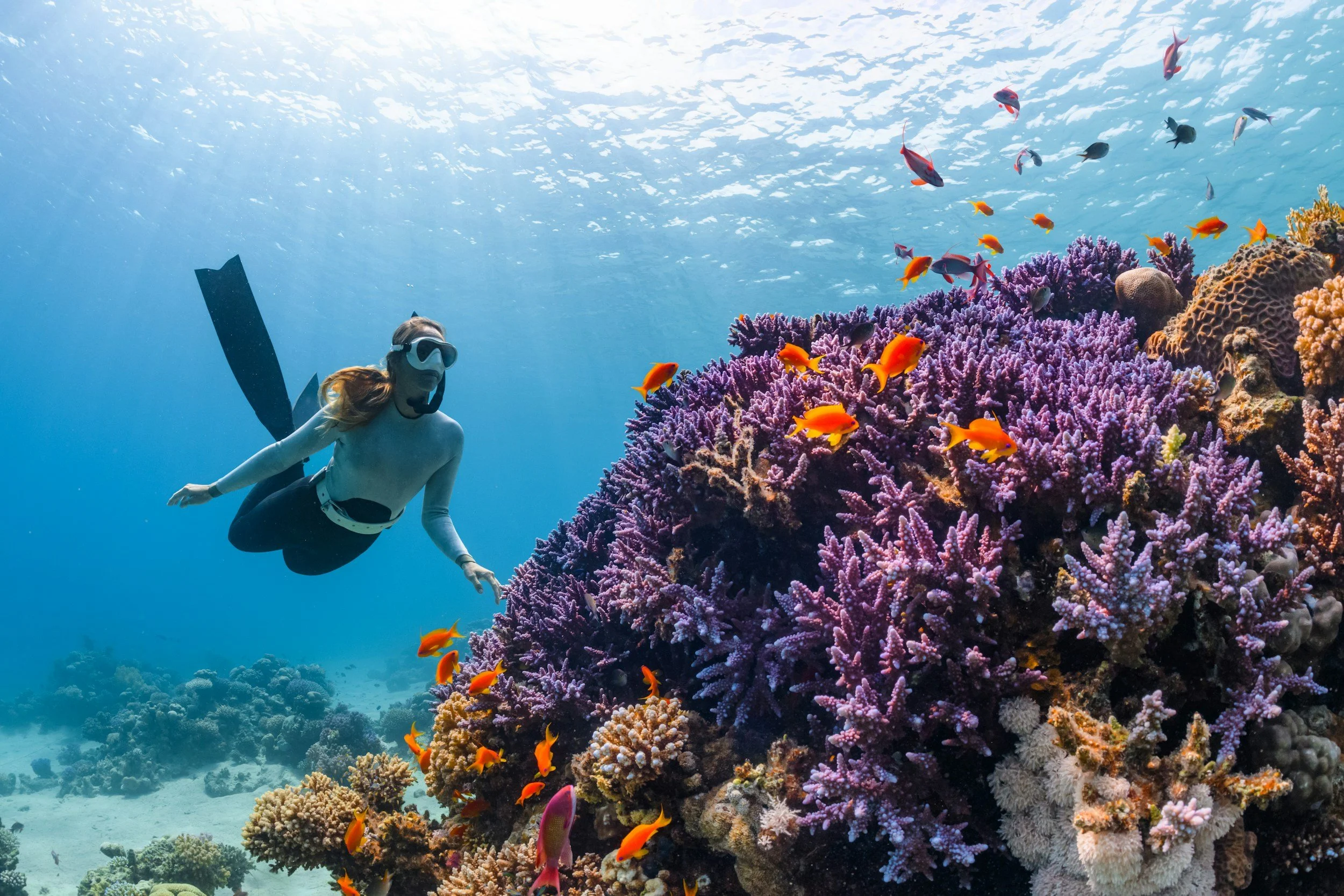
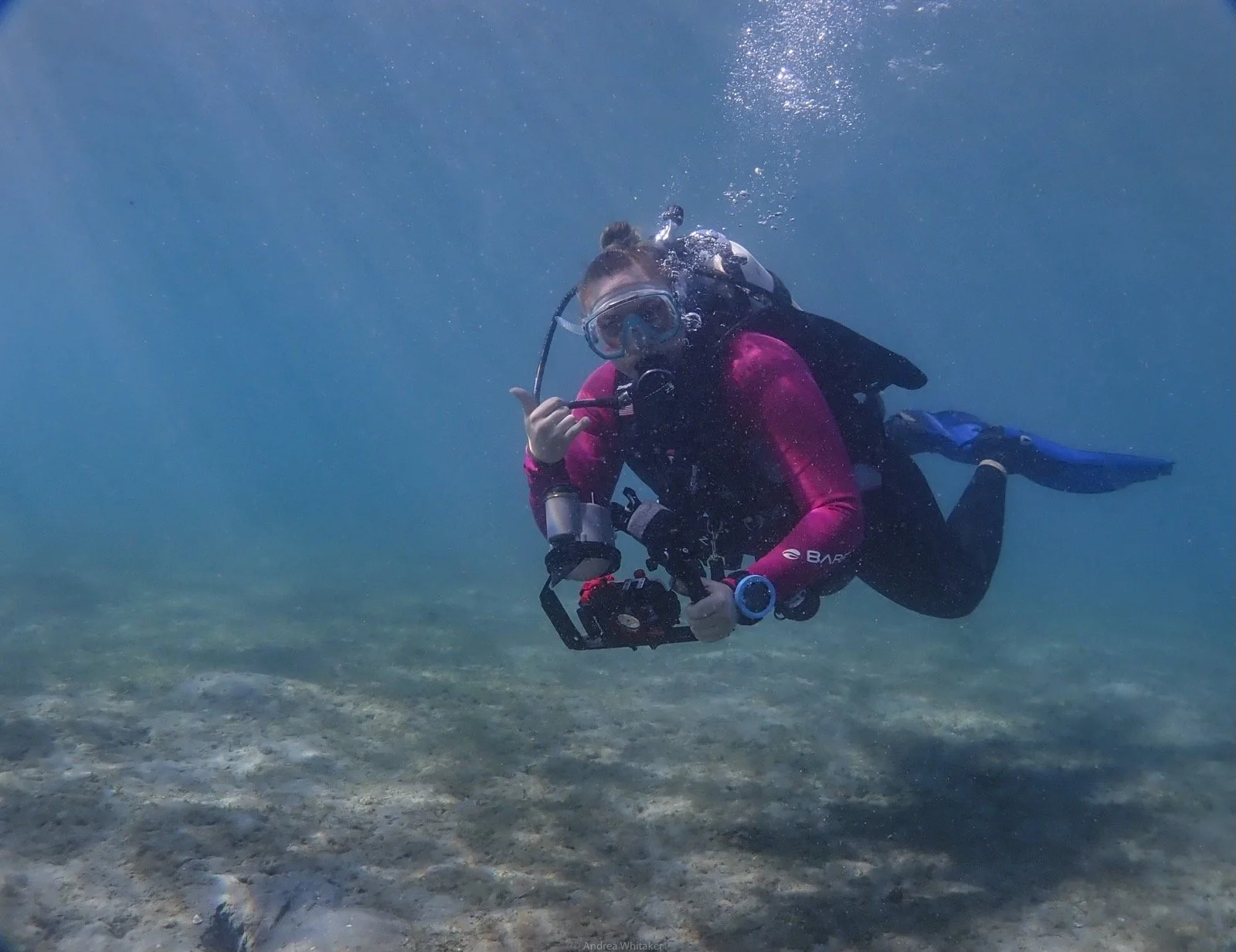
Diving and snorkeling trips — reef destinations, liveaboards, and dive-friendly itineraries for mixed groups where not everyone dives.
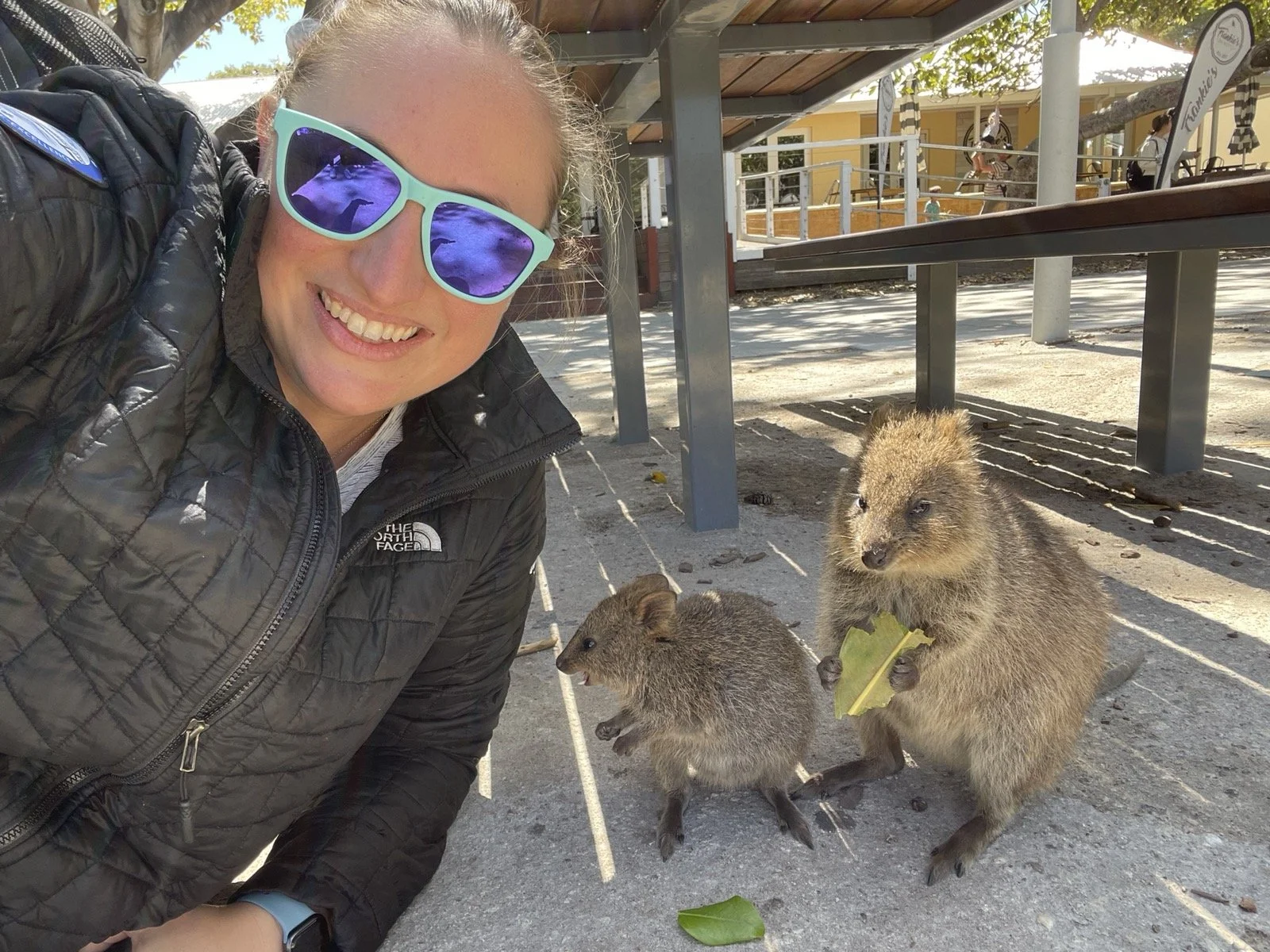
Australia and New Zealand wildlife travel — reef, fjords, and the encounters with animals you can only find there.
U.S. and international national parks — the routing, the permits, and the lodging that books out a year ahead.
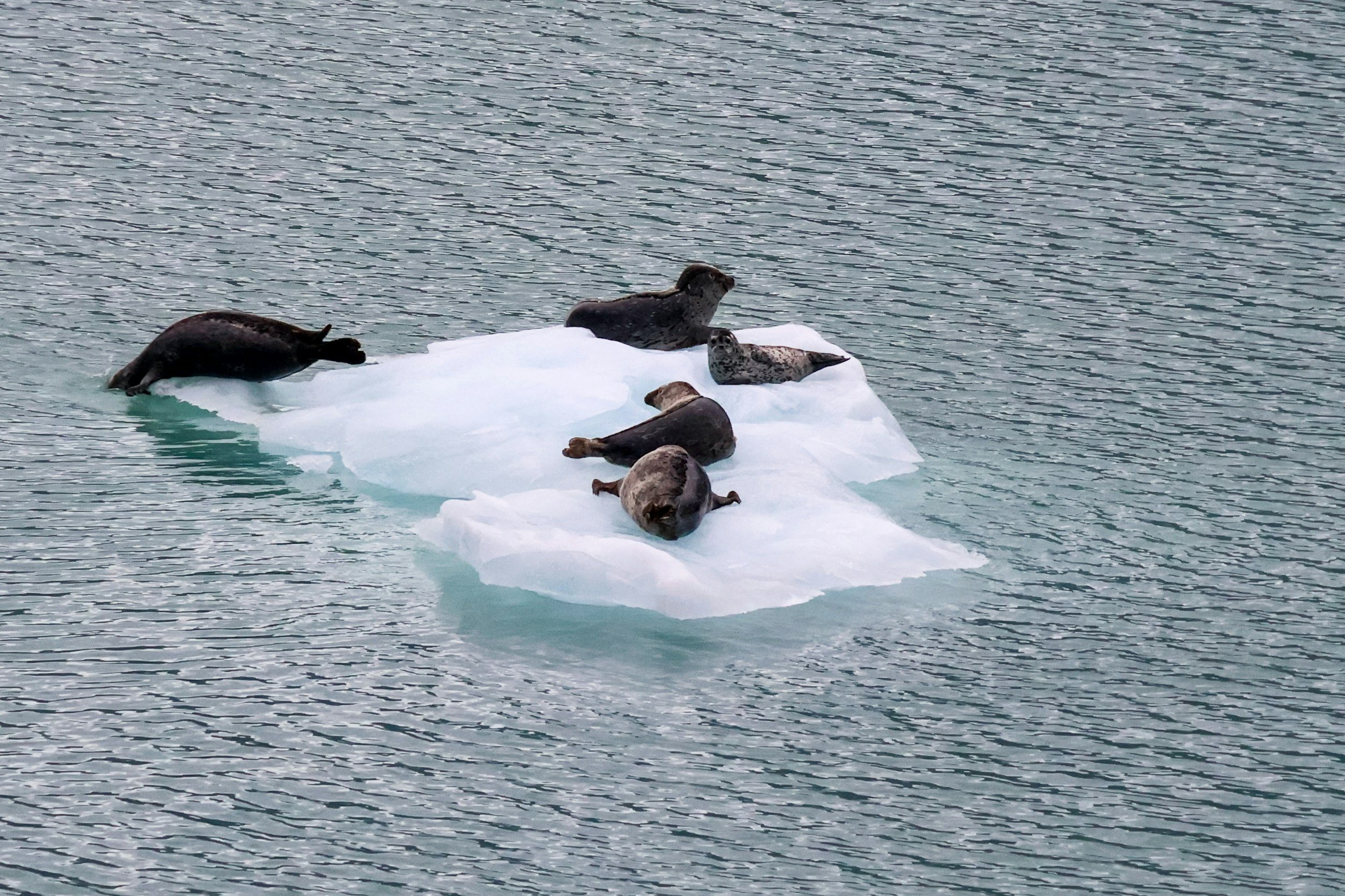
Alaska — whale watching, wilderness lodges, cruise-and-land combinations.
Polar and remote expedition travel — for the trips at the far end of the list.
Timing Is Everything
More than any other category of travel, wildlife trips live and die by timing.
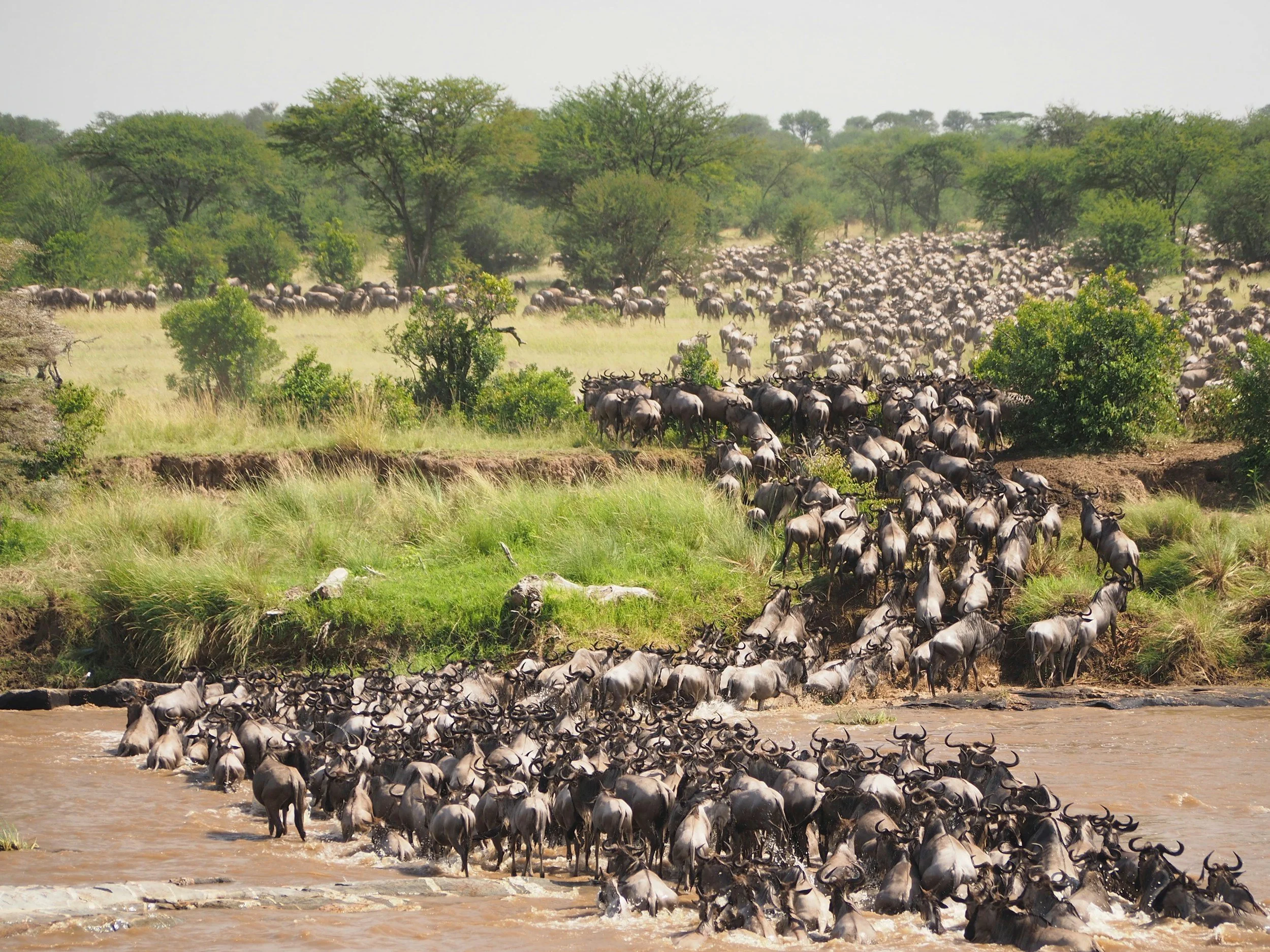
Migrations move. Seasons shift what's visible and where. Dive conditions change month to month. Some parks are transformed by rain, in both directions. The best camps and lodges are small and book out a year or more in advance, and permits for certain experiences are limited and released on their own schedule.
Tell us what you want to see, and we'll tell you when to go and how far ahead you need to book.
Adventure Doesn't Have to Mean Discomfort
There's a persistent assumption that wildlife travel means canvas tents, cold showers, and suffering for the view.
It can, but it doesn't have to.
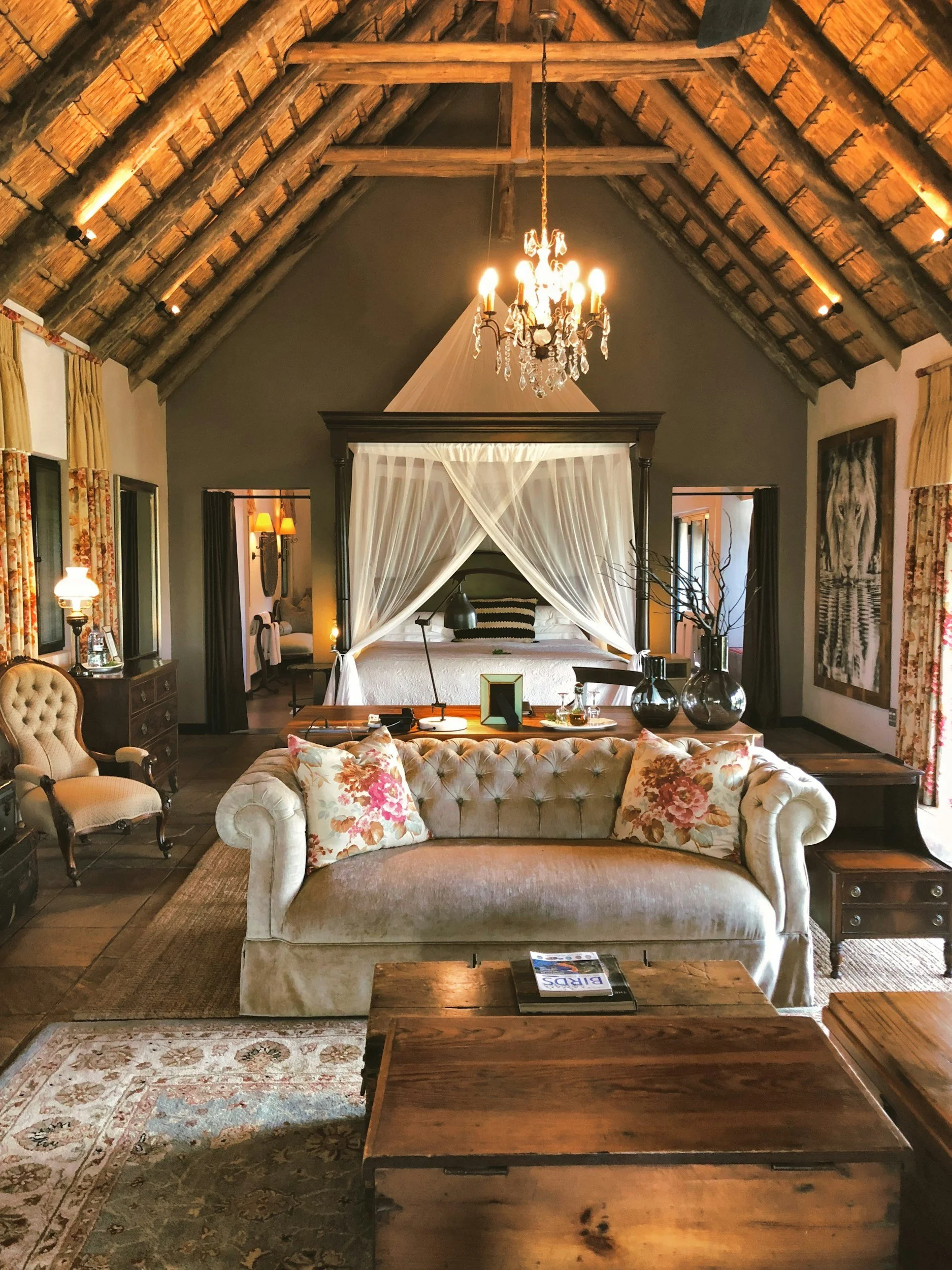
The best wildlife itineraries pair genuinely wild days with somewhere you actually want to return to at night — proper beds, real food, hot water, and a place to sit and process what you just saw. We'll be honest with you about where the trade-offs are real, where remoteness genuinely costs you comfort, and where you can have both.
Why Us? We've Done These Trips
We don't plan wildlife travel from a supplier catalog. We plan it from experience.
We've been on safari in Kenya and Tanzania. We've dived the Great Barrier Reef and the Maldives. We've had wildlife encounters across Australia. We've snorkeled the reefs directly off the beach in Roatan — and done night snorkeling there, which is an entirely different experience from the same reef in daylight.
We've visited national parks across the United States and abroad. We've gone whale watching and traveled through the Alaskan wilderness.
That matters more on these trips than on almost any other kind, because the difference between a good wildlife trip and a disappointing one usually comes down to details nobody puts in the brochure: which camp is positioned where the animals actually are, which days of the week the crowds arrive, which operator runs a small boat and which one packs forty people onto it, and how long you're really willing to sit in a vehicle.
FAQ
-
Further out than most people expect. Tours book fast, the best lodges are small, and peak windows fill early. If you're targeting a specific season or a specific property, a year ahead is not too early.
-
It depends entirely on what you want to see and where. There's no single right answer, and anyone who gives you one without asking questions first isn't paying attention. We'll walk through it with you.
-
No. Plenty of the best marine experiences are snorkel-accessible, and we regularly build trips for mixed groups where some people dive and some don't.
-
Many are, with the right destination and the right properties. Some tours, camps, and lodges have minimum age requirements, so it shapes the planning. Tell us the ages, and we'll work within them.
-
It varies enormously. Safaris can be long days in a vehicle with very little walking. But even that can be tiring, so sometimes flying between reserves is a better option. Others involve real hiking or diving. We'll be upfront about what each itinerary actually requires.