5 Things I Wish I Knew Before Going on Safari in Kenya and Tanzania
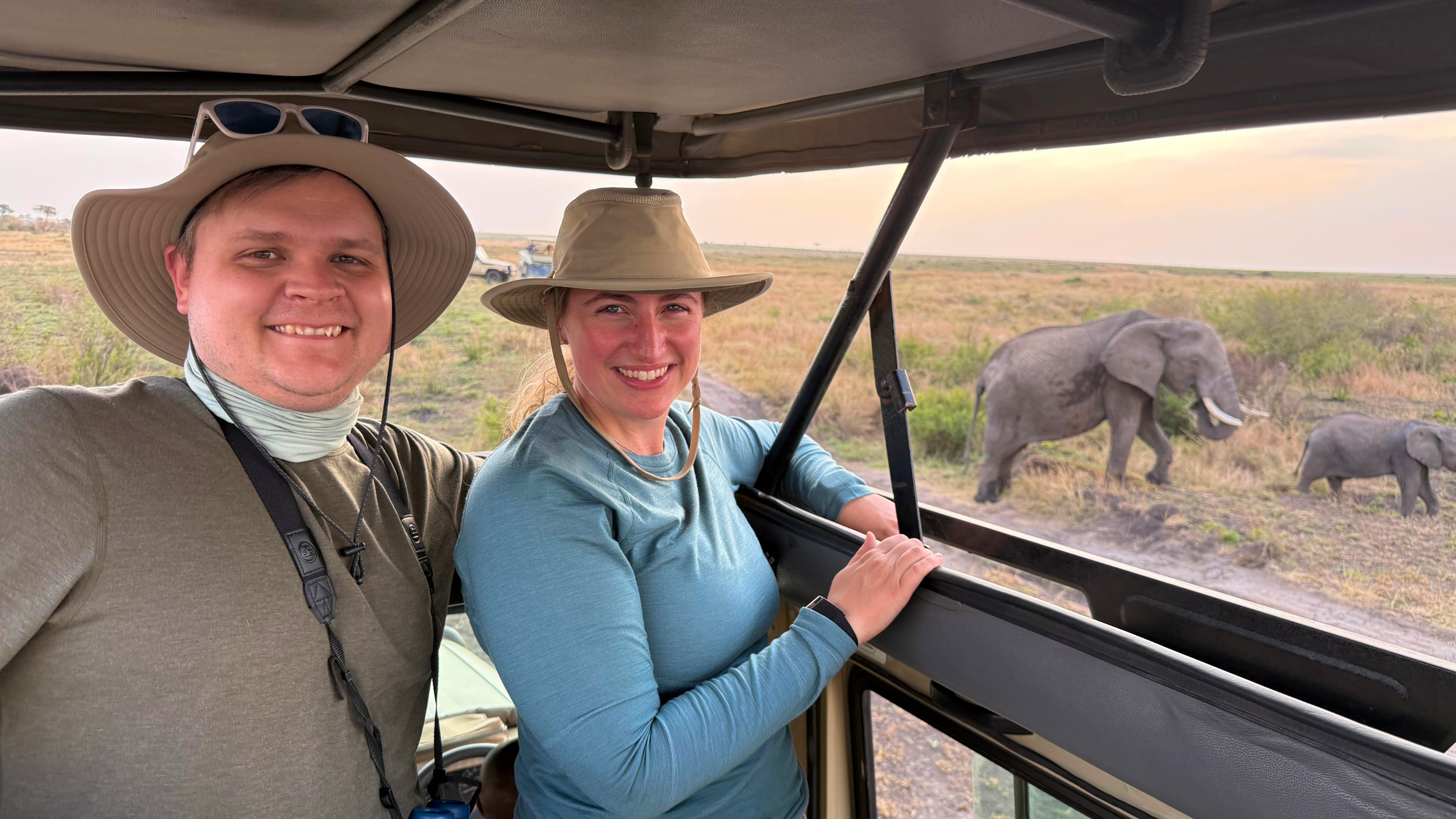
In July/August 2026, we went on a 2-week safari in Kenya and Tanzania — a National Geographic Journey run by G Adventures. It was the trip of a lifetime, and I'm still thinking about all of the amazing wildlife and cultural experiences that we will never forget.
We spent our days in the Maasai Mara, Serengeti, Lake Nakuru, Ngorongoro Crater, Lake Manyara, and Lake Naivasha.
But despite all of the research, planning, and guides we read before going, nothing prepares you for a trip like this quite like doing it. So here are five things I wish I knew and/or did before we left on [our] safari.
1. Bring an Extra Bag with Wheels
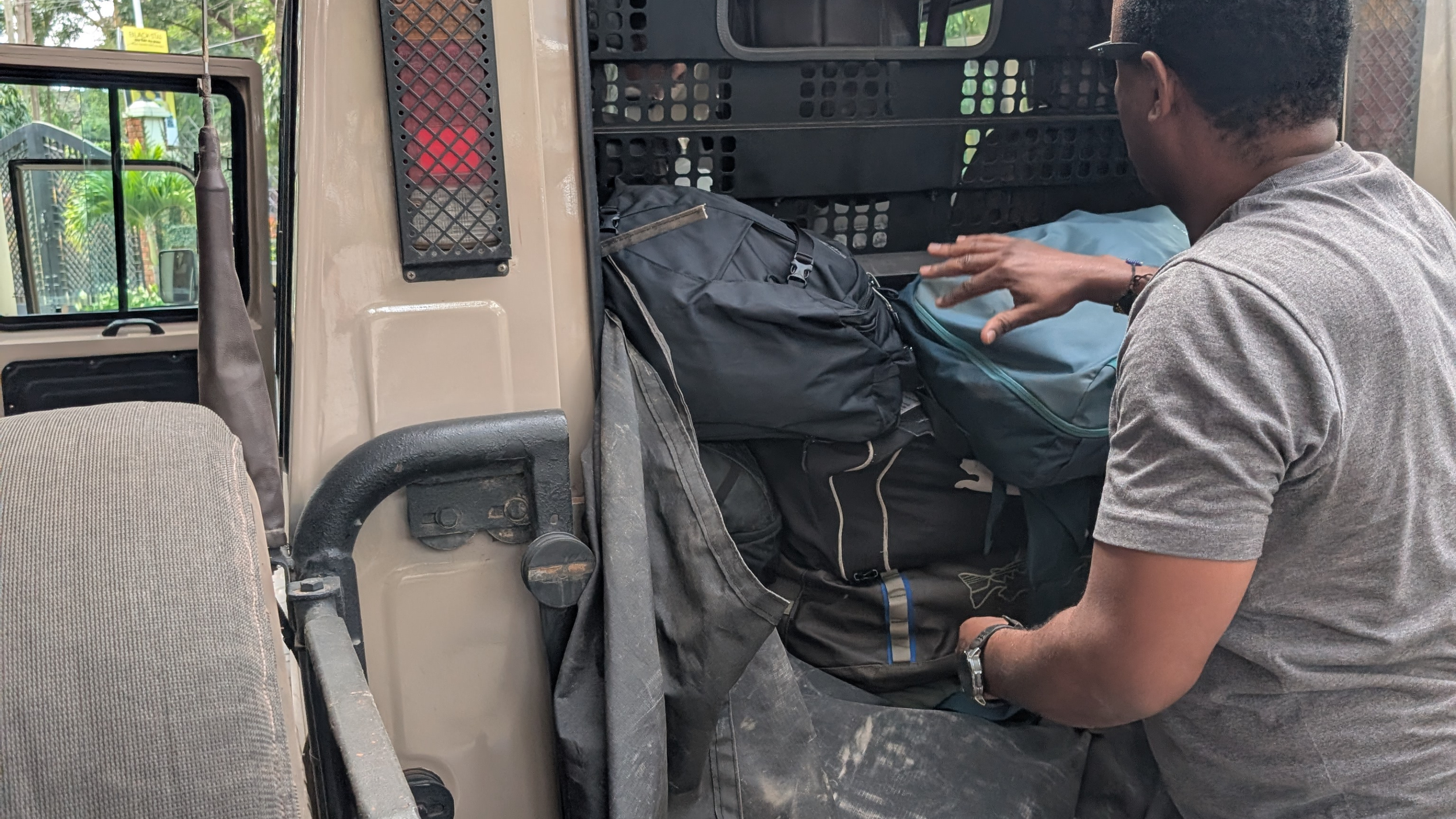
The guide we received from our tour company was adamant: only bring soft-sided bags that are within certain dimensions (basically no larger than what you can carry onto a plane). And that requirement makes a lot of sense once you see the back of a safari Land Cruiser. You've got to fit 5 or 6 people's bags into a very tight space.
And the small bush planes some itineraries use are even stricter — soft-sided bags aren't a suggestion there; they're the only thing that will physically fit in the hold. Ask your advisor or tour operator for the exact weight and size limits for your flights, because they vary by carrier.
But the thing about our itinerary is that we stayed at the same hotel at the beginning and end of our trip in both countries. In other words, we could have easily had a rolling bag checked and stored at the hotel with extra supplies, which we could have then picked up after our safari days.
If your itinerary is similar, which many are, planning to bring that extra luggage to store at that first/last hotel could be a game changer. That way, when you are moving through airports, you can put your soft-sided bag into the wheeled bag, which makes it much easier to lug around, and you’ll have extra space to store souvenirs and other items on your way back. And you can even feel better about checking the soft-sided bag, which will otherwise get tossed around on its own at the airport.
One more bag note: everything you own will be covered in fine red dust by day three. Pack a few zip-lock bags or packing cubes for camera gear and electronics, and don't bring anything you'd be sad to see permanently dusty. Most lodges also offer same-day laundry for a small fee, which means you can pack about half of what you think you need.
2. Don't Stress Too Much About the Clothing Colors
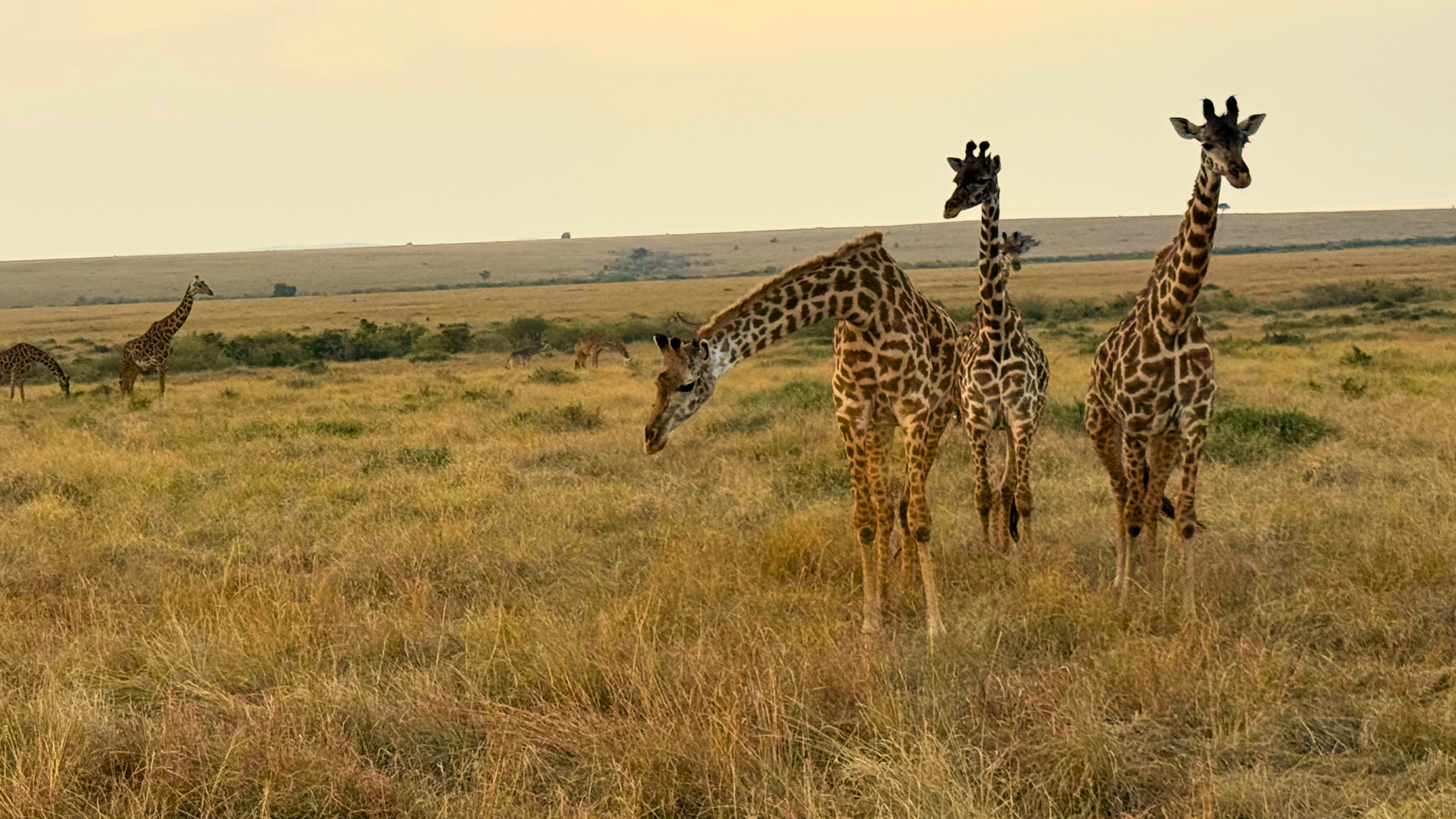
Don't wear bright colors! Don't attract the tsetse flies with dark colors! Wear only beige and muted green.
While these are sound recommendations, I feel like we went a little overboard stressing about bringing the appropriate color clothing for the trip.
For one thing, you're in a safari vehicle all day, and that's what the animals are going to see. If you're wearing a bright blue or pink shirt, they won’t flee the scene.
At the same time, the tsetse flies are only really a big problem in places like the Maasai Mara and the Serengeti. In other parks, you'd probably be okay wearing a navy shirt or darker pants. If you're in tsetse country, the color to actually avoid is dark blue or black — those are the shades the flies key in on.
Still pack your beige and gray clothes, because you'll definitely need them, but it's okay if you have some other colors in your wardrobe.
The thing I'd actually stress about instead is layers. Morning game drives leave before sunrise, and it is genuinely chilly. We’re talking a fleece and maybe even a beanie. And then by 11 a.m. you're peeling everything off in the sun. A warm layer you can strip off in stages does more for your comfort than a perfectly coordinated khaki outfit ever will.
And don’t forget a bandana or a neck gaiter for the dust!
3. You Don't Need a Full Survival Kit
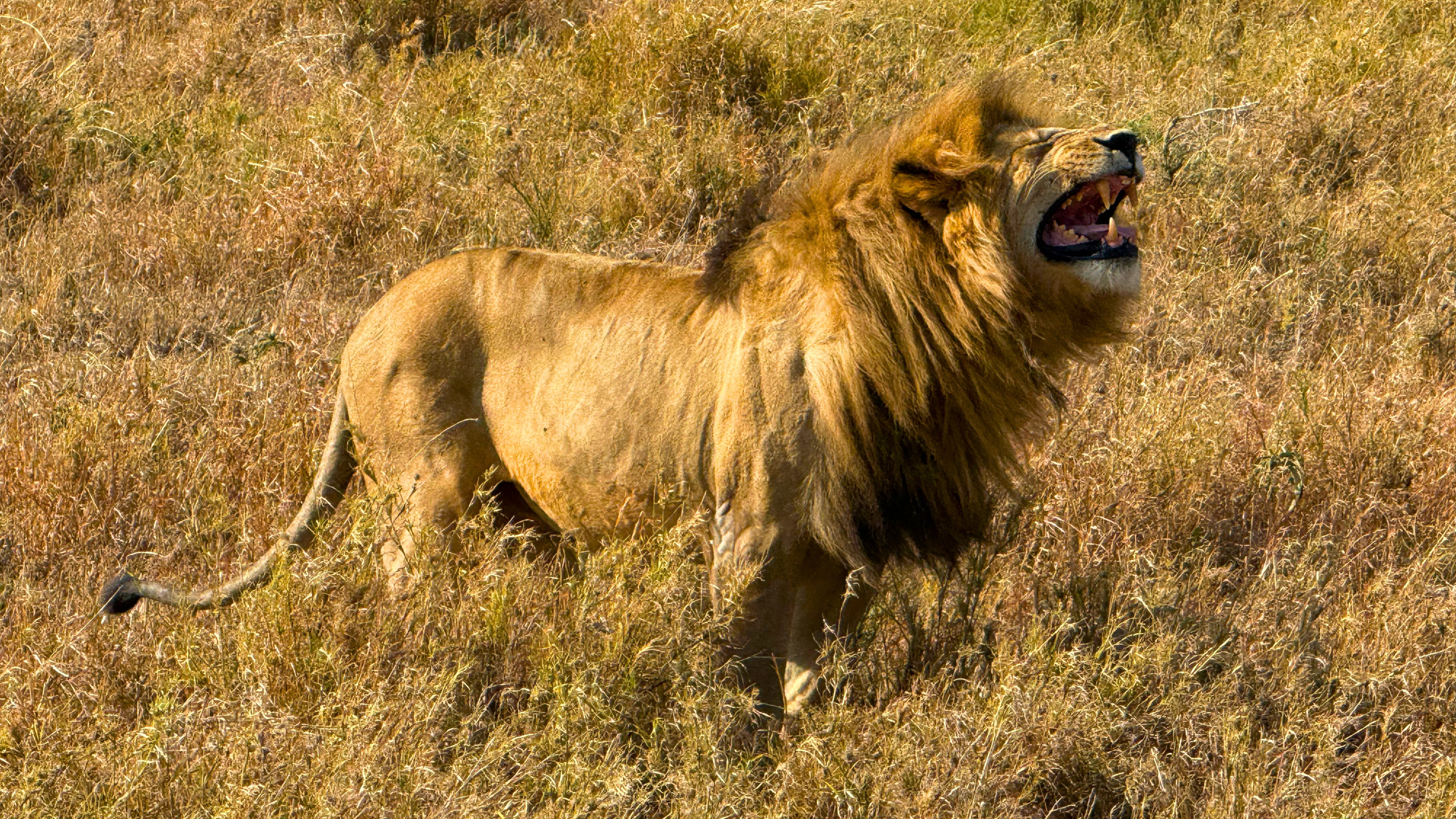
Unless you're planning to go camping where you stay in tents, sleep on the ground in the middle of the savanna, go on night game drives, or trek through the jungle, you don't need multiple flashlights, headlamps, first aid kits, survival kits, etc.
Between your guide/driver and your accommodations, you are likely to have everything you need to stay safe and healthy during the trip. If it's dangerous to walk around at night, there will be someone with a flashlight posted outside your tent to walk you to dinner and back to your room.
If you're unsure, talk to your tour company about what exactly you'll be doing on your itinerary to make sure you have the proper supplies. Bring the prescription and over-the-counter medications you need, some bandages, antibiotic ointment, antihistamine, bug-bite cream, bug spray, and sunscreen. But you don't need to pack like it's the apocalypse.
What we would add to the list: a power bank and a universal adapter. Some camps run on generators or solar and only have power for part of the day, and you'll be charging a phone, a camera, and probably a spare battery all at once.
And bring your own binoculars if you have them — most vehicles have a pair or two to share, but you will want your own set the first time someone spots a leopard in a tree 100 yards away.
4. Plan Out Your Tips Ahead of Time
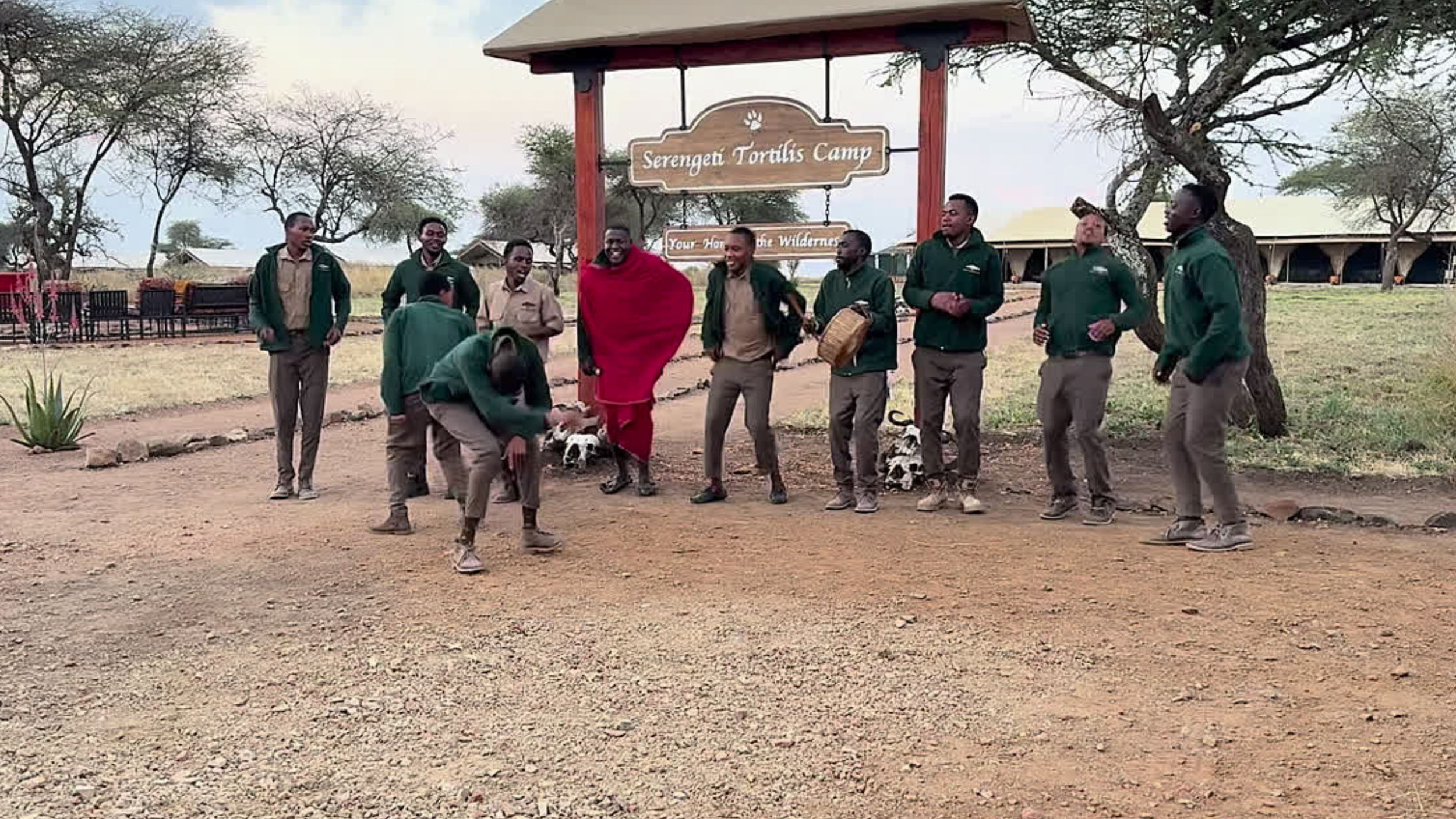
We knew tipping would be a big part of our trip since all the tour guides, drivers, lodge staff, and servers rely on it. But organizing and collecting tips among our group created a lot of unnecessary stress and pressure.
Make sure you designate someone to collect the group’s tips, or, better yet, plan to have your tips apportioned among your group ahead of time. You can put them in envelopes and label them for the person and accommodation ahead of time.
For instance, you can put the tips for your whole group into envelopes labeled “Lake Nakuru Lodge Server,” “Maasai Mara Hotel Staff,” “Kenya Driver,” etc., and then hand them out at the appropriate time.
Also note that things are different for accommodation tips in Kenya vs. Tanzania. In Kenya, you give tips to individuals. In Tanzania, every lodge/hotel has a tip box where you can tip the entire staff, and they will distribute it among themselves accordingly.
Two practical notes. First, bring the cash with you — ATMs are scarce once you leave the cities, and you cannot count on being able to top up mid-trip. You can tip in U.S. Dollars, but they must be in pristine condition and generally no more than 10 years old.
Second, bring small bills and a lot of them. Trying to split a large bill five ways in the parking lot of a lodge is exactly the scramble you're trying to avoid.
It may seem like a lot of work upfront, but it will reduce the stress while on the trip, especially if you're going with a group.
5. Things Take Longer Than You Think They're Going To Take
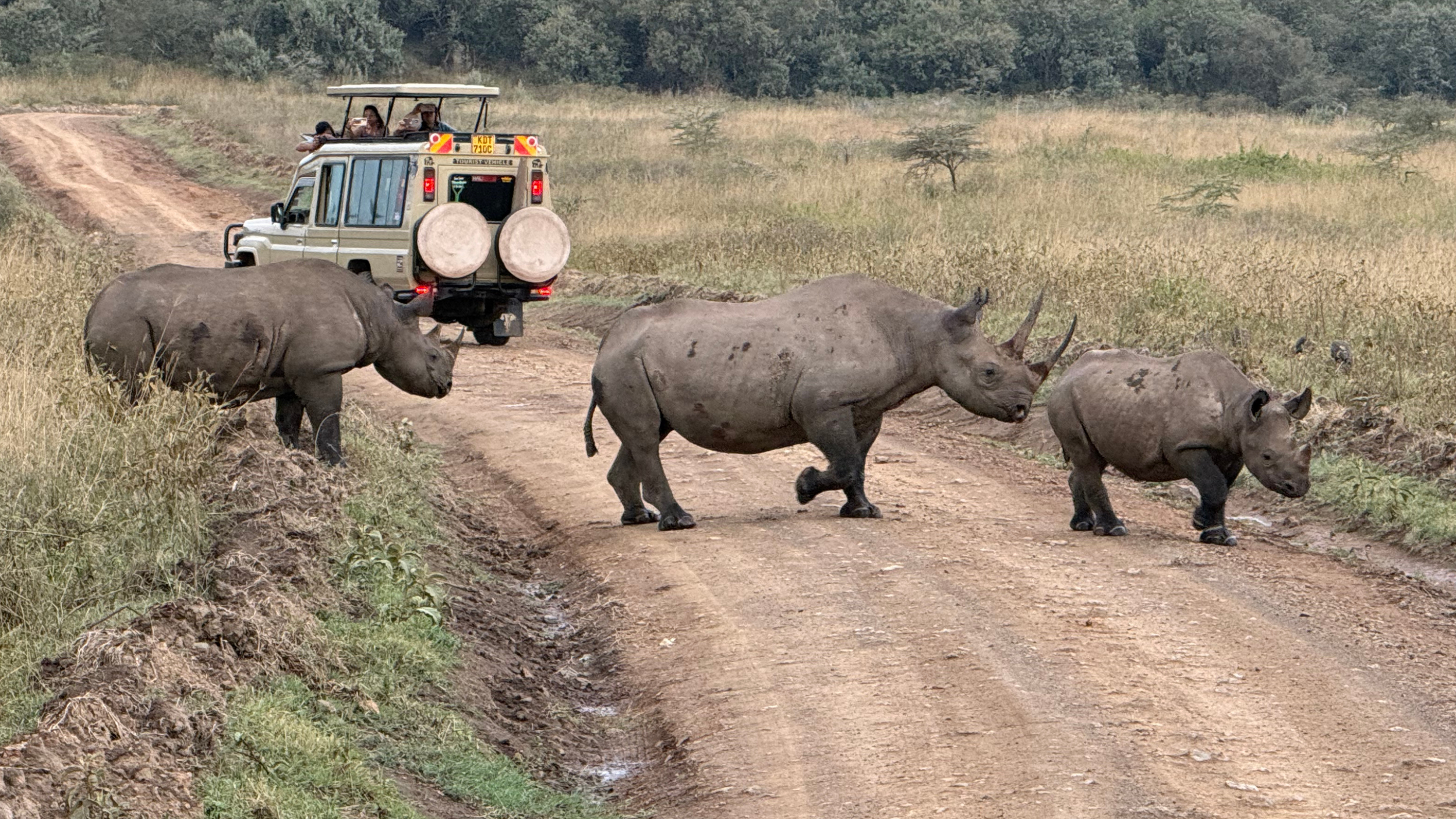
Going through security at the airport, getting from point A to point B, getting your food at restaurants, etc. Don't try to mentally prepare for how long things will take, because they will definitely take longer. Everything runs on Africa time.
If Google Maps says it will take 2 hours to get from one place to another, you'll want to double it. Part of that is road conditions — many park roads are unpaved and heavily rutted, and the drivers have a nickname for it: the African massage. You aren’t driving 60+ miles per hour like U.S. interstates and highways.
Also, if you're flying from Kenya to Tanzania, give yourself plenty of time. Be prepared to go through security multiple times — at the entrance, after you check in, and sometimes at the gate.
Side note: this doesn't have anything to do with time, but make sure you keep your boarding pass for trips via smaller aircraft. The plane going from Nairobi (Kenya) to Kilimanjaro (Tanzania), for instance, will likely be going on to Zanzibar or elsewhere after you get off, so they need to make sure you're getting off at the right place.
Honestly, the mindset shift is the most important. Once we started treating the schedule as a rough outline rather than a strict timeline, the whole trip became more fun. Some of our best sightings happened because we were "behind schedule."
Are You Ready for Your Safari?
There's plenty more we can tell you about what we wish we’d known, but it may only apply to certain itineraries. We tried to think of things that would apply to almost anyone traveling to these countries.
If you're ready to plan your bucket list safari, we'd love to help.
We've done this trip ourselves — we know which lodges are worth it, which itineraries are paced well, and which "once in a lifetime" add-ons actually live up to the name.
Reach out to us and let's start planning.